
Sidewalks, Walkways & Flatwork
Safe, durable concrete walkways and flatwork that enhance your property in Fond du Lac, WI.
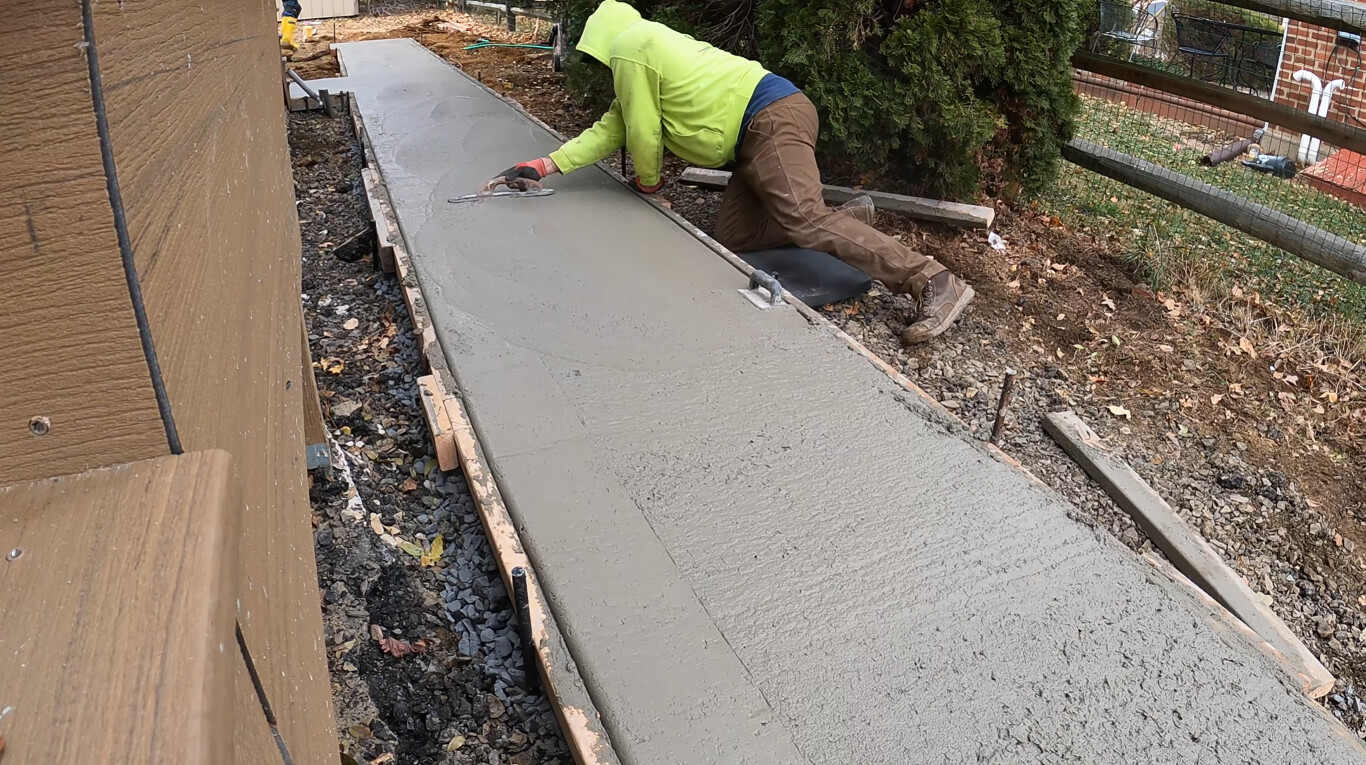
Your Walkways Matter More Than You Think
You use your sidewalks and walkways every day. They connect your driveway to your front door, your patio to your yard, and your home to the street. When they are cracked, uneven, or deteriorating, they are not just ugly. They are safety hazards. Uneven concrete causes trips and falls, especially for kids and older adults.
We install concrete sidewalks, walkways, and all types of flatwork for homeowners and businesses throughout Fond du Lac. Whether you need a simple front walkway, a winding garden path, or municipal sidewalk replacement, we handle projects of all sizes. Our concrete work is built to last through Wisconsin winters and daily foot traffic for decades.
Good walkways do more than get you from point A to point B. They enhance your curb appeal, improve property value, and create defined spaces in your yard. A well-designed walkway system makes your property more functional and attractive. We help you plan walkways that work with your landscape and meet your practical needs.
Types of Concrete Flatwork We Install
Flatwork is any horizontal concrete surface. Here are the most common types we install for residential and commercial clients:
- Front walkways: The path from your driveway or street to your front door. This is the first impression visitors get of your home. We build walkways that are attractive, safe, and properly sloped for drainage.
- Garden and backyard paths: These connect different areas of your yard, like your patio to a garden shed or fire pit. They can be straight and functional or curved and decorative. We design paths that fit your landscape.
- Public sidewalks: The concrete strips along streets that connect homes to public spaces. These must meet municipal specifications for width, thickness, and accessibility. We know local requirements and ensure compliance.
- Commercial walkways: Paths connecting parking areas to building entrances, or walkways within commercial properties. These need to handle higher traffic and must meet ADA accessibility standards.
- Garage approaches: The transition area between your driveway and garage door. This high-use area takes vehicle weight and needs proper thickness and reinforcement.
- Concrete steps: We build concrete steps for entryways, decks, and level changes in your yard. Steps must be uniform, safe, and code-compliant. We handle both functional and decorative step installations.
Designing Walkways That Work for Your Property
A walkway is not just a strip of concrete. Good design makes walkways safer, more attractive, and longer lasting. Here is what we consider when planning your walkway project:
Width: Front walkways should be at least 3 to 4 feet wide so two people can walk side by side comfortably. Narrower paths work for less-traveled garden walkways. We recommend appropriate widths based on the walkway's purpose and traffic.
Path and curves: Straight walkways look formal and modern. Curved paths create a more natural, relaxed feel. The shape should fit your home's style and work with your landscaping. We can curve concrete walkways to avoid trees, follow natural contours, or create visual interest.
Slope and drainage: Every walkway needs slight slope for water runoff. Water should not pool on walkways or run toward your foundation. We grade walkways properly so water drains away. This prevents ice buildup in winter and extends concrete life.
Texture and finish: Smooth concrete looks nice but can be slippery when wet. Broom finish adds traction without looking rough. For decorative walkways, we can use stamped concrete to create the look of stone or pavers. We help you choose finishes that balance appearance and safety.
Integration with existing features: New walkways should connect smoothly to your driveway, steps, patio, and other concrete surfaces. We ensure everything aligns properly and looks cohesive.
How We Build Walkways That Last Decades
The process for concrete sidewalk building and flatwork is similar to other concrete work, but with some specific considerations. Here is what we do:
We start by laying out the walkway path. We mark the edges and discuss any adjustments with you before we start excavating. This ensures you are happy with the location and shape.
Next, we excavate to the proper depth, usually 6 to 8 inches. This allows room for a gravel base and the concrete thickness. We remove roots, rocks, and unstable soil. We grade for proper drainage.
We install a 4-inch compacted gravel base. This provides stability and drainage. Walkways without proper base preparation settle and crack quickly. We compact the gravel thoroughly to prevent future settling.
We set forms to define the edges and curves of your walkway. Forms must be level and properly aligned. We add reinforcement like wire mesh to control cracking. For walkways over unstable soil or near tree roots, we use additional reinforcement.
We pour concrete at the appropriate thickness. Residential walkways are typically 4 inches thick. Commercial walkways and areas with vehicle traffic need 6 inches or more. The concrete is leveled, finished to your chosen texture, and properly sloped for drainage.
We create control joints every 4 to 5 feet. These joints control where concrete cracks as it shrinks during curing. Without control joints, concrete cracks randomly. With them, cracks occur in straight lines that are less visible and do not affect functionality.
Finally, we allow proper curing time and seal the concrete if appropriate. Sealing protects against stains and moisture damage, extending the life of your walkway.
Accessibility and Safety Considerations
Walkways need to be safe for everyone who uses them, including people with mobility challenges. Here is how we address safety and accessibility:
ADA compliance: Commercial properties and public walkways must meet Americans with Disabilities Act requirements. This includes maximum slope, minimum width, proper curb ramps, and appropriate surface texture. We know these requirements and build to code.
Trip hazard prevention: Uneven surfaces cause trips and falls. We ensure walkways are level and connect smoothly to other surfaces. When walkways must change elevation, we use properly designed steps or ramps rather than creating trip hazards.
Slip resistance: Texture is important for safety. Smooth concrete becomes slippery when wet or icy. We use appropriate finishes that provide traction without being rough enough to cause scrapes if someone falls.
Visibility: Walkways should be easy to see, especially at night. We can add decorative borders that create visual definition. Good landscape lighting also improves walkway safety, though that is outside our scope of work.
Improve Your Property With Quality Walkways
Whether you need a simple front walkway or a complex system of paths throughout your property, we can help. We serve residential and commercial clients throughout Fond du Lac and surrounding areas. Call today for a consultation.